Cart
0
In recent years, the wellness movement has invited us to get more intimate with our physical health, sparking a newfound appreciation for the often-overlooked parts of our bodies. Enter underarm care: the latest category to emerge in the beauty world. Between the friction of daily life and the "sweat stress" many of us have experienced over the last few years, our pits are crying out for more than just a quick swipe of deodorant.
The good news? Perspiration is a sign of a high-functioning body. “For humans, the physiology of sweating is crucial to maintaining a safe and healthy body temperature,” explains Dr. Alicia Zalka, M.D., dermatologist and founder of Surface Deep.
According to Dr. Zalka, when we overheat, our built-in cooling mechanism kicks in. Sweat droplets travel through microscopic ducts to the skin’s surface; as that moisture evaporates, it releases heat and cools us down. However, while the process is essential, the side effects—namely body odor—can be less than ideal.
Understanding the Microbiome
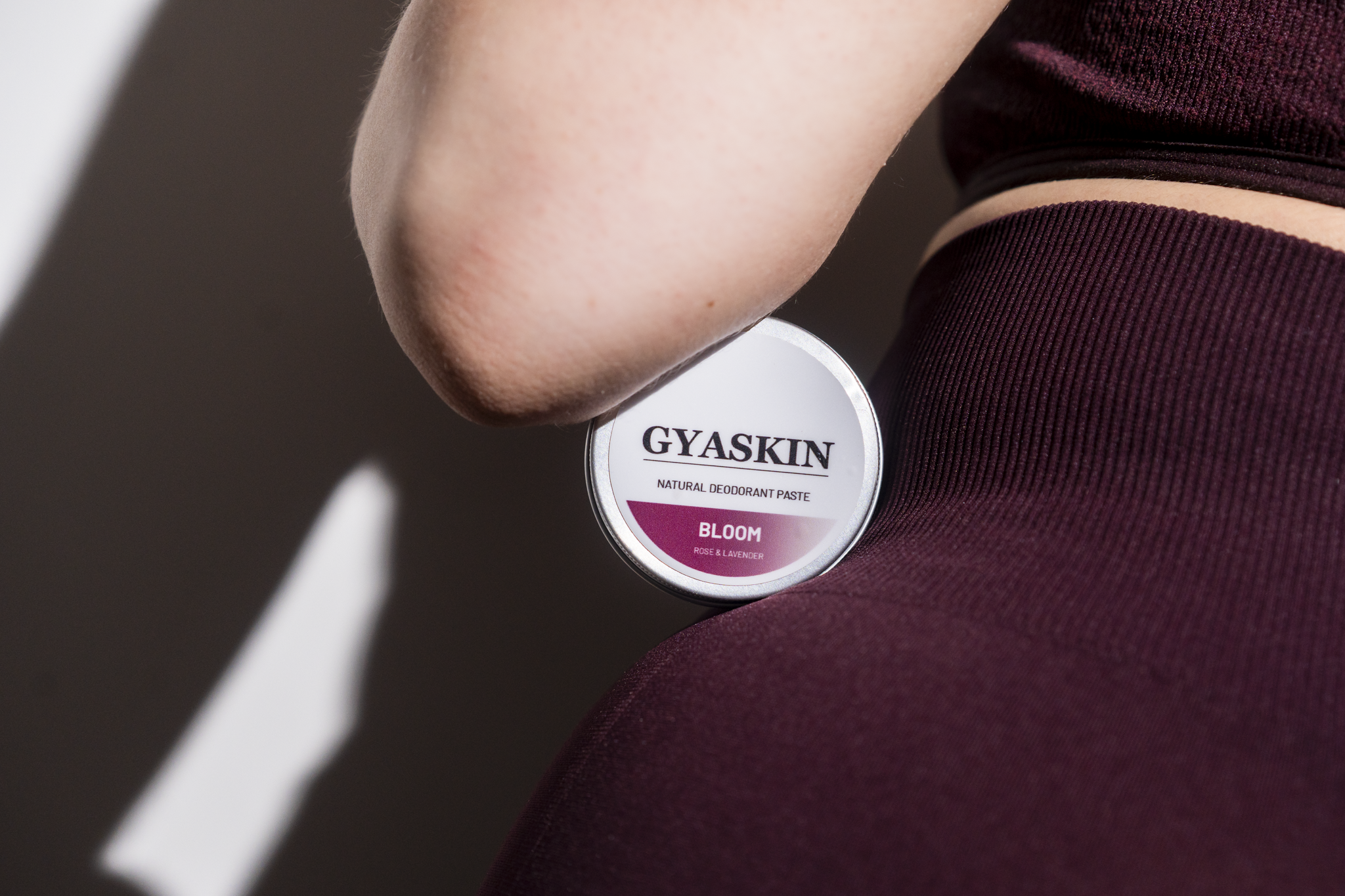
Interestingly, sweat itself is odorless. The "scent" only occurs when bacteria on the skin, specifically corynebacterium, interacts with the sweat and oils. This is why brands like Gyaskin are focusing on the health of the skin barrier rather than just masking smells.
By treating your underarms with the same respect as your face, you can manage odor while contributing to your overall well-being. Here is your definitive guide to detoxing and nourishing your underarms.
1. Cleanse with Intention
The underarm is an "intertriginous zone"—an area where skin folds meet, creating a moist environment prone to bacterial and fungal growth. "Proper care and cleansing is important to keep the natural balance of the microbiome," says Dr. Zalka.
The Routine: Wash once daily using a pH-balanced cleanser. Avoid harsh scrubbing; instead, use gentle motions to remove residue without stripping the skin’s natural defenses.
2. Exfoliate Regularly
Just like the pores on your nose, underarm pores can become clogged with oil, dead skin, and product buildup, leading to "pit pimples" (folliculitis).
-
Physical Exfoliants: Scrubs or masks can manually lift debris.
-
Chemical Exfoliants: Dr. Zalka prefers toners with AHAs, BHAs, or PHAs.
A gentle glycolic toner (5% or less) can melt away dead skin cells and improve skin tone. For a modern approach, look for exfoliating pads that utilize fruit-based acids and probiotics to reset the skin’s natural balance.
3. Master the Gentle Shave
If you choose to remove hair, think of the process as skiing. "If not done on a smooth surface, you are skiing moguls," warns Dr. Zalka. To prevent "razor ouches" and ingrown hairs:
-
Prep: Apply a thin layer of moisturizer the night before you shave to reduce friction.
-
Lather: Always use a shave gel or moisturizing cleanser in a warm shower.
-
Refresh: Change your razor blades every one to two weeks to ensure a clean, sharp edge that won't tug the skin.
4. Moisturize Intermittently
While your underarms are naturally damp, they still require hydration to remain supple. However, you don't need to moisturize daily. A pH-balanced body lotion applied once or twice a week is usually sufficient. If you notice redness or irritation, Dr. Zalka suggests taking a "skin-manity" break from both shaving and deodorant to let the area heal.
5. Deodorize Consciously
The modern consumer is moving away from blocking sweat and toward managing odor. Unless you struggle with hyperhidrosis (excessive sweating), you may not need aluminum-based antiperspirants.
“Sweat is intentional; odor is preventable,” says Dr. Zalka. When shopping, listen to your body. If a product leaves a thick residue or causes itching, pivot to "clean and simple" formulas. Look for products free from phthalates, parabens, and synthetic dyes—treating your underarm skin with the same high standards you apply to the food you eat.
Would you like me to help you draft a social media caption to promote this new article on your channels?